Off-grid solar systems offer a sustainable way to harness renewable energy. These systems allow individuals and homes to produce their own electricity, promoting energy independence and reducing reliance on traditional power grids. This guide will explore the essential components of off-grid solar systems and how they work, making it easier for anyone to understand the process of going solar.
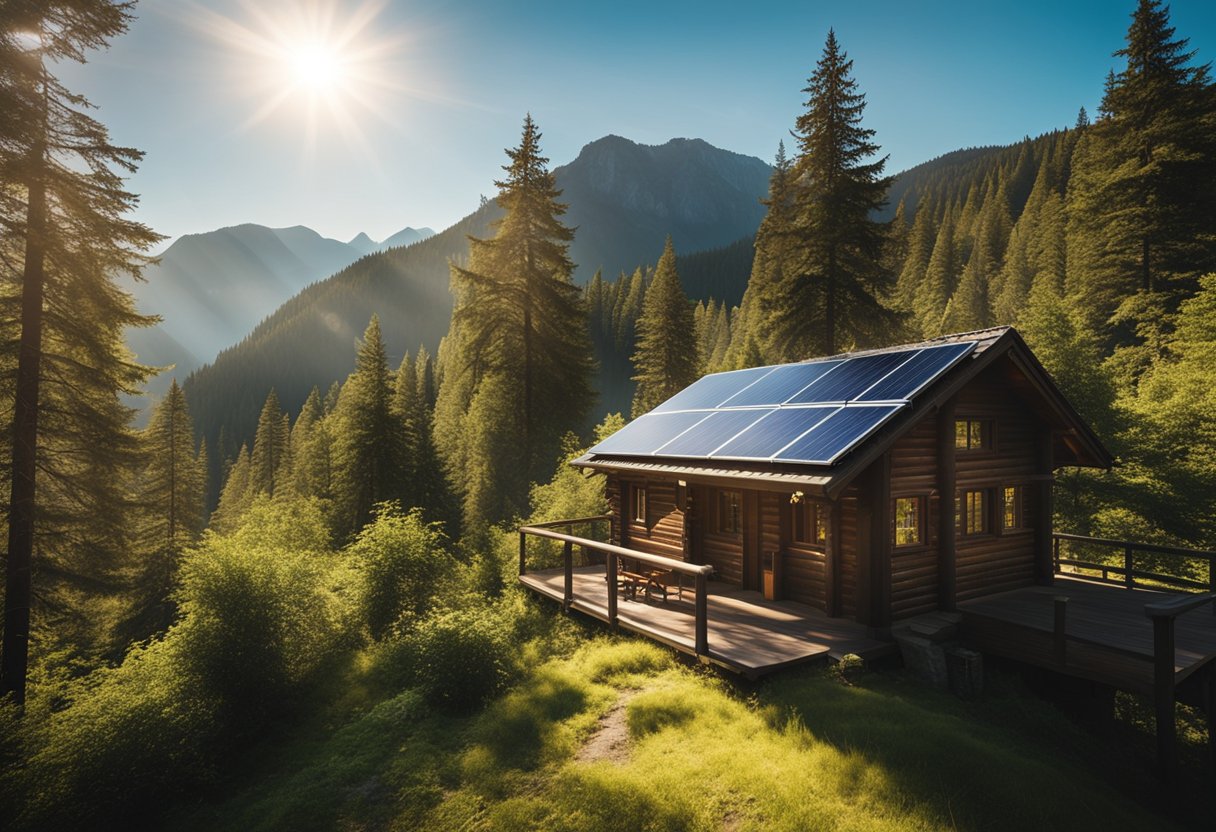
By learning about solar panels, batteries, and various components, readers can make informed decisions about designing their own systems. Knowledge of energy needs and system maintenance is crucial for long-term success. This article aims to equip individuals with everything they need to know to navigate the world of off-grid solar energy effectively.
Transitioning to an off-grid solar system can lead to a more sustainable lifestyle while enjoying the benefits of renewable energy. The journey toward energy independence begins here.
Key Takeaways
- Off-grid solar systems enable energy self-sufficiency.
- Understanding components is key to effective system design.
- Regular maintenance ensures long-term performance and reliability.
Understanding Off-Grid Solar Systems
Off-grid solar systems provide an independent energy solution through the use of renewable resources. This section details the essential components and the benefits of adopting such a system for energy needs.
Components and Functionality
Off-grid solar systems consist of several key components that work together to convert sunlight into usable energy. These include:
- Solar Panels: These collect sunlight and convert it into electricity. The efficiency of solar panels can affect the total amount of energy generated.
- Inverter: This device converts direct current (DC) from the solar panels into alternating current (AC), which is used in most home appliances.
- Battery Bank: This stores excess energy generated during sunny days for use during cloudy days or at night. A well-sized battery bank is crucial for ensuring a reliable power supply.
- Charge Controller: This regulates the flow of energy to the battery bank. It prevents overcharging and extends battery life.
Together, these components create an efficient energy system that allows users to rely solely on solar energy.
Benefits of Going Off-Grid
The adoption of an off-grid solar system offers numerous advantages. Firstly, it reduces reliance on traditional power grids, leading to greater energy independence.
- Cost Savings: Although there’s an initial investment, long-term savings on utility bills can be significant.
- Lower Carbon Footprint: Using renewable solar energy helps decrease greenhouse gas emissions, contributing to a cleaner environment.
- Flexibility: Off-grid systems can be installed in remote areas without existing electrical infrastructure.
- Energy Security: They provide a reliable power source during outages or in areas where energy access is limited.
These benefits make off-grid solar systems an appealing choice for many looking to enhance their energy efficiency while supporting sustainability.
Solar Energy Basics
Solar energy is a renewable energy source that harnesses sunlight to generate power. Understanding how solar panels work and the process of energy conversion is essential for anyone interested in utilizing this technology.
How Solar Panels Work
Solar panels are made up of many smaller units called solar cells. These cells are typically made from silicon, a material that converts sunlight into electricity. When sunlight hits the solar cells, it knocks electrons loose from the silicon atoms.
As electrons move through the cell, they create an electric current. This current is measured in amps, while the electrical power produced is measured in watts. When multiple solar panels work together, they can produce enough electricity to power homes and businesses.
Efficient solar panels can maximize sunlight absorption, optimizing energy production. It’s important to consider factors like angle, shading, and panel quality to achieve the best performance.
Solar Power and Energy Conversion
Solar power refers to the electricity generated from the sunlight captured by solar panels. The conversion process involves several steps. First, solar panels generate direct current (DC) electricity.
Next, an inverter changes this DC electricity into alternating current (AC) electricity, which is commonly used in households. The converted electricity can either be used immediately or stored in batteries for later use.
Energy consumption patterns play a crucial role in determining how much solar power is needed. By understanding daily energy needs, individuals can size their solar systems appropriately to ensure efficiency and reliability.
Designing Your Off-Grid Solar System
Designing an off-grid solar system involves careful planning to meet energy needs efficiently. Key factors include understanding power requirements, choosing the right components, and configuring the system for optimal performance.
Calculating Energy Requirements
To begin, assess the energy demand of all appliances and devices. This includes lights, refrigerators, and electronics. They should be listed with their wattage and hours of use per day.
A simple calculation can be done:
- Total Daily Energy Need (in Wh):
- Sum of (Wattage × Hours used).
Here’s an example:
| Appliance | Wattage | Hours Used | Daily Energy (Wh) |
|---|---|---|---|
| LED Light | 10 | 5 | 50 |
| Refrigerator | 200 | 24 | 4800 |
| Laptop | 60 | 4 | 240 |
| Total | 5090 |
With this knowledge, they can move on to selecting appropriate components.
Selecting Appropriate Components
Choosing the right equipment is vital for efficiency and reliability. Main components include solar panels, inverters, and batteries.
- Solar Panels: Select panels based on output and efficiency. Common sizes range from 100W to 400W.
- Inverters: Inverter size should match or exceed the system’s peak power requirements. For a load of 1,000 watts, a 1,200-watt inverter would be suitable.
- Battery Capacity: Choose batteries that can store enough energy for days with little sunlight. For example, if daily needs are 5,090 Wh, a battery system with at least 10kWh capacity is recommended, factoring in some backup.
System Sizing and Configuration
System sizing starts with the understanding that solar setups require certain ratios. A common formula for sizing is:
- Total Solar Power Needed = Daily Energy Demand / Peak Sun Hours
If the area gets about 5 peak sun hours per day:
- Total Solar Power Needed:
- 5,090 Wh / 5 hours = 1,018 W of solar panels.
Using multiple smaller panels or fewer larger panels can meet this requirement.
Ultimately, configuration depends on the layout and the available space, ensuring panels have minimal shading and optimal sunlight access. Properly sizing and installing all components leads to an effective off-grid solar system.
Solar Panels and Installation
Selecting the right solar panels and understanding installation techniques is crucial for an effective off-grid solar power system. This section will delve into the types of solar panels, their mounting and positioning, and best practices for installation.
Types of Solar Panels
There are three main types of solar panels: monocrystalline, polycrystalline, and thin-film.
- Monocrystalline panels are known for their high efficiency and longevity. They are made from a single crystal structure, allowing for better performance in limited space.
- Polycrystalline panels are less expensive but slightly less efficient than monocrystalline. They are made from multiple crystal fragments, which affects overall performance.
- Thin-film panels are lightweight and flexible, making them ideal for unique surfaces. However, they typically have lower efficiency and require more space for installation.
Each type offers different benefits based on the user’s energy needs and budget.
Mounting and Positioning
Proper mounting and positioning of solar panels maximize exposure to sunlight, enhancing the system’s efficiency.
Solar panels can be mounted in various ways:
- Fixed mounting: This is a common choice, where panels are fixed at a specific angle.
- Adjustable mounting: This allows users to change the angle of the panels seasonally to capture more sunlight.
- Tracking systems: These panels automatically adjust to follow the sun’s path, maximizing energy capture.
Panel orientation is also critical. Ideally, panels should face true south in the Northern Hemisphere for optimal exposure. The tilt angle may also vary based on geographic location to improve performance.
Installation Best Practices
To ensure a reliable and low-maintenance solar power system, following best installation practices is key.
- Start with a strong foundation to secure panels against wind and weather.
- Use quality mounting hardware that is corrosion-resistant to prolong lifespan.
- Ensure proper wiring connections to minimize energy loss; poorly installed connections can lead to significant issues over time.
- Conduct routine maintenance checks to ensure everything operates smoothly and efficiently.
Implementing these practices helps ensure the solar panels perform at their best while reducing the need for future repairs or replacements.
Batteries and Energy Storage
Batteries are essential for off-grid solar systems, providing a way to store energy generated during the day for use at night or during cloudy weather. Understanding battery types, capacity, and proper management ensures optimal performance and longevity.
Battery Types and Selection
There are several types of batteries used in off-grid systems, each with its advantages. Lead-acid batteries are the most common due to their affordability and reliability. They are available in flooded and sealed varieties.
Lithium-ion batteries offer higher energy density, longer life, and faster charging, though at a higher cost.
Here is a comparison:
| Battery Type | Lifespan | Depth of Discharge | Cost |
|---|---|---|---|
| Lead-Acid | 3-5 years | 50-80% | $100-$200 |
| Lithium-Ion | 10-15 years | 80-100% | $500-$800 |
Choosing the right type depends on budget, space, and energy needs.
Understanding Battery Capacity
Battery capacity is typically measured in amp-hours (Ah) and indicates how much energy a battery can store. The depth of discharge (DoD) is another critical factor. It represents how much of the battery’s capacity can be safely used. For instance, a battery rated at 100 Ah should not be drained completely.
Common DoD recommendations include:
- Lead-Acid: 50% to maximize lifespan
- Lithium-Ion: 80-100% for efficiency
Calculating energy needs helps in selecting the appropriate capacity for a battery bank.
Battery Management and Maintenance
To ensure longevity and performance, battery management is crucial. A battery management system (BMS) monitors charge levels, regulates temperature, and balances individual cells within a battery bank.
Regular maintenance tasks include:
- Checking electrolyte levels (for lead-acid batteries)
- Ensuring clean terminals
- Monitoring for signs of wear or damage
Proper care can significantly enhance battery life and efficiency, allowing for greater energy storage and overall system reliability.
Inverters and Voltage Regulation
Inverters play a crucial role in any off-grid solar system. They convert direct current (DC) from solar panels into alternating current (AC) for household appliances. Proper voltage regulation ensures that the power supply remains stable and efficient.
Types of Inverters
There are several types of inverters used in off-grid solar systems, each with its unique features:
- String Inverters: Most common type, connecting multiple solar panels together. It converts DC to AC at the inverter, suitable for many residential setups.
- Microinverters: Installed on individual solar panels, allowing for optimized performance. If one panel is shaded, the others remain effective.
- Hybrid Inverters: These can manage both solar and battery storage systems. They offer flexibility and can work during power outages.
- Off-Grid Inverters: Specifically designed for standalone systems, they manage power from solar panels without a link to the grid.
Choosing the right type depends on the user’s specific needs and system requirements.
Importance of Pure Sine Wave
A pure sine wave inverter provides a smooth, consistent electrical output. This output resembles utility power and is crucial for sensitive devices.
Many appliances, such as refrigerators and medical equipment, require pure sine wave power to function correctly. Using a modified sine wave inverter can lead to malfunctions or reduced lifespan for these devices.
Investing in a pure sine wave inverter ensures efficiency and protects valuable electronics. These inverters might cost more, but they offer long-term benefits and reliability.
Choosing the Right Inverter
Selecting the appropriate inverter involves considering various factors:
- Power Needs: Calculate total wattage of the appliances that will be used. Ensure the inverter can handle this load.
- Voltage: Determine the system voltage. Common options include 12V, 24V, and 48V, with larger systems commonly using 48V for efficiency.
- Battery Compatibility: Ensure the inverter matches the battery type. Some may require specific charging profiles.
- Features: Consider inverters with additional features like built-in charge controllers.
Evaluating these criteria will help secure the best inverter for an off-grid solar system.
Charge Controllers and Power Flow
Charge controllers are vital for managing the flow of electricity in an off-grid solar system. They regulate how solar energy is stored and ensure batteries are protected from overcharging. This section will explore two main types of charge controllers and their functions in battery protection and efficiency.
MPPT vs PWM Controllers
There are two main types of charge controllers: MPPT (Maximum Power Point Tracking) and PWM (Pulse Width Modulation).
- MPPT controllers are more efficient and optimize the power output from solar panels. They can increase energy harvest by tracking the best voltage for energy collection.
- PWM controllers are simpler and cost-effective, ideal for systems with smaller energy needs. They work by connecting the solar panels directly with the battery.
MPPT controllers are generally preferred for larger systems due to their higher efficiency, especially in varied sunlight conditions. PWM controllers are suitable for smaller setups or where costs need to be minimized.
Regulating Charge and Protecting Batteries
Regulating the charge is crucial to maintaining battery life and performance. Charge controllers perform several essential functions:
- They monitor battery voltage and prevent overcharging by reducing or stopping the flow of electricity when batteries are full.
- They also prevent excessive discharge, protecting the battery from damage when energy consumption exceeds production.
By ensuring that batteries operate within safe limits, charge controllers extend their lifespan and improve overall system efficiency. This functionality is vital for off-grid systems where reliance on battery power increases.
System Maintenance and Troubleshooting
Maintaining an off-grid solar system is essential for ensuring reliability and efficiency. Proper upkeep can prevent many issues and extend the life of the system. Routine checks and knowing how to troubleshoot common problems can save time and energy.
Routine Maintenance Checklist
Regular maintenance minimizes the chances of unexpected breakdowns. Here is a checklist to follow:
- Inspect Solar Panels: Clean panels regularly to remove dirt or debris that can block sunlight. Look for any cracks or damage.
- Check Battery Levels: Monitor the battery’s state of charge and ensure it is within the manufacturer’s recommended range.
- Examine Connections: Tighten and inspect all electrical connections for corrosion or wear. This helps ensure reliable power flow.
- Test Inverter Functionality: Regularly check the inverter to ensure it is working correctly, as this component converts DC power from the panels to AC power.
- Look for Signs of Wear: Inspect cables and components for fraying or breakage. Replace any damaged parts promptly.
This routine will help maintain a low-maintenance system and prevent issues.
Identifying and Solving Common Issues
Even well-maintained systems can encounter problems. Here are common issues and how to address them:
- Reduced Power Output: This can occur if panels are dirty or damaged. A thorough cleaning or replacing broken panels can often resolve this.
- Battery Won’t Charge: If the battery is not charging, check the solar charge controller settings. Ensure all connections are secure.
- Flickering or Low Power: Flickering lights or low power may indicate inverter issues. Restarting the inverter can help, but persistent issues might need professional attention.
- Strange Noises: If the inverter makes unusual sounds, it may be overheating. Check for blockages in ventilation and ensure it is installed properly.
By addressing these issues quickly, the reliability of off-grid solar solutions can be maintained effectively.
Supplementary Off-Grid System Components
Supplementary components can enhance the efficiency and reliability of off-grid solar systems. Two important areas to consider are the integration of generators for backup power and the option of adding wind energy or hybrid systems.
Integration with Generators
Generators are valuable in off-grid solar systems since they provide backup energy when solar production is low. They can run on various fuels, such as gasoline, propane, or diesel.
Key points:
- Automatic Start: Some generators can start automatically when energy levels drop.
- Sizing: It’s crucial to match the generator’s capacity with the energy needs of the household.
- Hybrid Inverters: These devices can seamlessly switch between solar and generator power, ensuring a reliable energy supply.
Having a generator ensures that users are not left without power during cloudy days or extended periods of low sunlight.
Wind and Hybrid Systems
Wind energy can complement solar power in off-grid systems, especially in areas with consistent wind.
Benefits include:
- Increased Energy Production: Combining solar and wind can lead to a more stable energy supply.
- Hybrid Inverters: These inverters can manage inputs from both solar panels and wind turbines, optimizing overall efficiency.
When considering wind solutions, it’s important to evaluate local wind patterns and turbine specifications to ensure a good fit with existing solar setups. This combination can significantly improve the reliability of off-grid solar solutions.
Preparing for the Future
With the rapid advancements in renewable energy, preparing for future developments in off-grid solar systems is essential. This includes staying informed about emerging technologies that can enhance efficiency and energy management. Additionally, planning for system expansion as energy needs grow ensures that users can maintain sustainability and control costs.
Emerging Technologies in Off-Grid Solar
New technology is changing how off-grid solar systems function. Innovations such as smart inverters and energy storage solutions improve system efficiency. Smart inverters can manage power flow and communicate with energy management systems for optimal performance.
Battery technology is also advancing. Lithium-ion batteries are becoming more popular, offering higher capacity and longer life than traditional lead-acid batteries. These advancements allow users to store more energy for use during low sunlight periods.
Moreover, solar panel technology continues to improve with higher efficiency rates. New photovoltaic materials, like bifacial panels, capture sunlight from both sides, offering better energy output. Staying updated on these technologies can enhance long-term sustainability in off-grid setups.
Expanding Your System as Needs Grow
As energy demands change, users may need to expand their off-grid solar systems. Planning for scalability is crucial for maintaining efficiency and meeting their power needs.
First, it’s helpful to conduct an energy audit to understand consumption patterns. Knowing exact energy requirements ensures users can size their systems correctly.
Next, consider the layout of solar panels. Setting up a modular design allows for easy addition of more panels without extensive modifications. Users can initially start with a smaller system and then gradually add capacity as their needs increase.
Utilizing smart energy management systems can also aid in tracking energy consumption and optimizing performance. These systems provide insights that help users make informed decisions regarding expansions and upgrades.
Frequently Asked Questions
People often have specific questions when considering off-grid solar systems. Addressing these questions can help clarify important aspects of solar energy use and setup.
How do I calculate the number of solar panels required for my off-grid house?
To calculate the number of solar panels needed, one must first determine the total energy consumption in kilowatt-hours (kWh). This involves adding up the wattage of all appliances used and estimating daily usage. Once the daily kWh requirement is established, the total solar panel output can be calculated based on average sunlight hours received in the area.
What are the common challenges and drawbacks associated with off-grid solar systems?
Off-grid solar systems can face several challenges. These may include higher upfront costs, the need for battery storage, and potential limitations in energy supply during cloudy or winter months. Maintenance of batteries and ensuring the system meets high energy demands can also pose difficulties.
How many watts are typically needed for a residential off-grid solar system?
A typical residential off-grid solar system usually ranges from 1,500 to 5,000 watts. The exact wattage needed depends on factors such as the size of the home, energy consumption habits, and the number of appliances in use. It is important to customize the system to fit individual needs.
What size solar system would be sufficient for running a complete RV?
For a complete RV setup, a solar system size of 300 to 800 watts is typically sufficient. This range allows for the powering of essential devices and appliances within the RV while offering the flexibility to expand if more power is needed.
Can I set up a DIY solar power system for my home, and what should I consider?
Setting up a DIY solar power system is possible, but several factors should be taken into consideration. These include understanding local codes, the intended power needs, equipment selection, and safety precautions. It is crucial to have a clear plan and knowledge of solar technologies before starting the project.
What factors should be taken into account when choosing an inverter for a solar panel system?
When selecting an inverter, it is important to consider its power rating, efficiency, and type. Knowledge of the specific energy requirements of the appliances to be used is essential. Additionally, compatibility with the solar panel system and battery configuration should also be evaluated to ensure optimal performance.
Leave a Reply